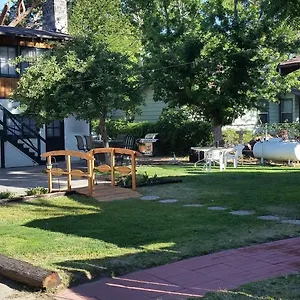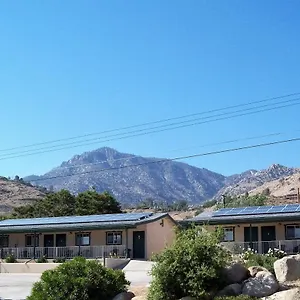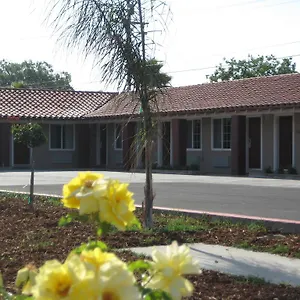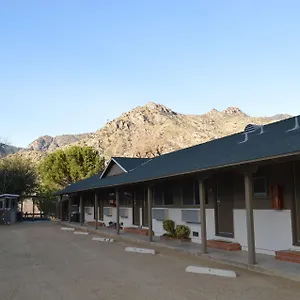
Sequoia National Park draws visitors for one reason above all others: the giant sequoias, the largest trees on Earth by volume, some over 2,700 years old. Staying in the gateway communities surrounding the park - Kernville, Lake Isabella, and Porterville - puts you within striking distance of the park's main corridors while keeping you grounded in the rugged, working-landscape character of the southern Sierra Nevada. These historic lodges and inns reflect the region's ranching, mining, and river-guide heritage, offering a more rooted experience than modern chain hotels near the freeway.
What It's Like Staying Near Sequoia National Park
The communities closest to Sequoia National Park - Kernville, Lake Isabella, and Porterville - are not resort towns. They are working California foothill and mountain communities where the pace is slow, services are spread out, and the natural environment dominates daily life. Most attractions require a car, and distances between the park's main entrances and these gateway towns can exceed 60 miles, so planning your drives in advance is essential. Summer is the dominant season, with crowds peaking from late June through August at Giant Forest and Moro Rock, while spring and fall offer far quieter access to the same trails.
Who benefits most from staying here: visitors who want to combine Sequoia with Kern River activities like white-water rafting or fishing, road-trippers moving through the southern Sierra, and travelers who prefer a locally-owned lodge over a national park concessionaire property inside the park boundary.
Pros:
- Gateway towns offer significantly lower nightly rates than in-park lodging options
- Kern River corridor provides outdoor activities - rafting, hiking, fishing - independent of park entry
- Less park congestion at dawn and dusk when staying outside the boundary allows flexible timing
Cons:
- No public transportation connects gateway towns to park entrances - a rental car is non-negotiable
- Dining and grocery options in Kernville and Lake Isabella are limited, especially after 8 PM
- Wildfire smoke can significantly reduce visibility and air quality during late summer weeks
Why Choose Historic Hotels Near Sequoia National Park
Historic lodges and inns in the Sequoia gateway region carry the architectural and cultural fingerprints of the area's 20th-century development - riverfront motor courts, lakeside motels built during the construction of Isabella Dam, and Kernville properties that predate the town's own relocation in the 1950s. Rates at these properties typically run well below $150 per night, making them significantly more affordable than the Wuksachi Lodge inside the park, which regularly exceeds $300 during peak summer. Room sizes tend to be generous by California standards, with many units featuring patios, mountain views, or lake-facing orientations that newer roadside hotels simply cannot offer.
The trade-off is amenity depth: historic properties in this region generally lack pools, on-site restaurants, and concierge services. What they do provide is character, proximity to river access points, and a locally-operated experience that reflects the actual culture of the southern Sierra. Around 70% of visitors to this corridor are repeat guests who return specifically for the combination of affordability and access.
Pros:
- Nightly rates substantially lower than in-park alternatives, freeing budget for activities and park fees
- Properties along the Kern River and Lake Isabella offer direct or near-direct water access
- Locally owned character provides regional context that chain properties entirely lack
Cons:
- Limited or no on-site food service means meal planning must happen before arrival
- Air conditioning reliability varies - confirm unit-level cooling before booking in July or August
- Some properties show age in fixtures and furnishings that periodic renovations don't fully address
Practical Booking & Area Strategy for Sequoia Gateway Towns
Kernville sits at the northern end of Lake Isabella and serves as the primary hub for Kern River outdoor activities, placing guests roughly 90 miles southeast of Sequoia's Ash Mountain Entrance via Highway 178 and Highway 99 - a drive of around two hours. Porterville is the closest major town to the Sequoia foothills, sitting about 18 miles west of the park's Generals Highway entrance via Highway 190, making it the most practical base for travelers focused purely on park access. Lake Isabella itself sits mid-corridor and suits visitors combining water recreation with park day trips.
Book at least 6 weeks ahead for any July or August stay - the Kern River corridor fills quickly once school ends, and last-minute availability at locally-owned properties is genuinely rare in peak season. Giant Forest Museum, Moro Rock, and the Congress Trail are the three most-visited park sites; positioning yourself in Porterville gives you the shortest morning drive to all three before crowds arrive after 9 AM. Fall visits in September and October offer cooler temperatures, near-empty trails, and rates that can drop noticeably at gateway properties.
Best Value Stays
These properties deliver strong access, river or lake-adjacent positioning, and functional amenities at rates that leave room in your budget for park fees, guided rafting, and meals.
-
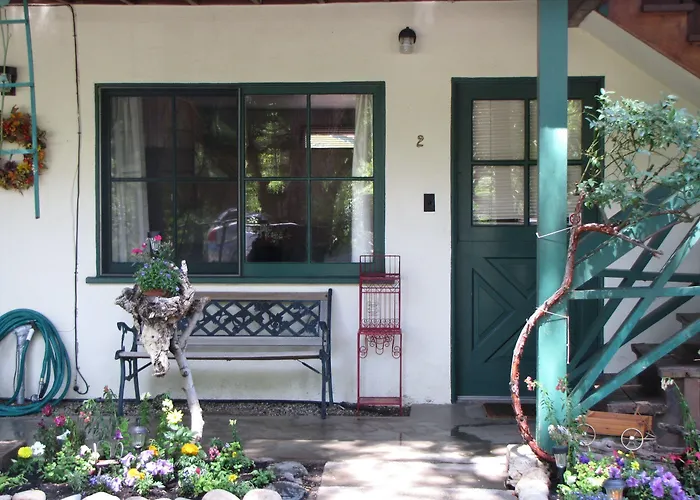
1. Kern Riverfront Lodge
Show on map

 Check-infrom 15:00 until 23:59Check-outuntil 11:00
Just a few rooms left at the best rate!
fromUS$ 89
-
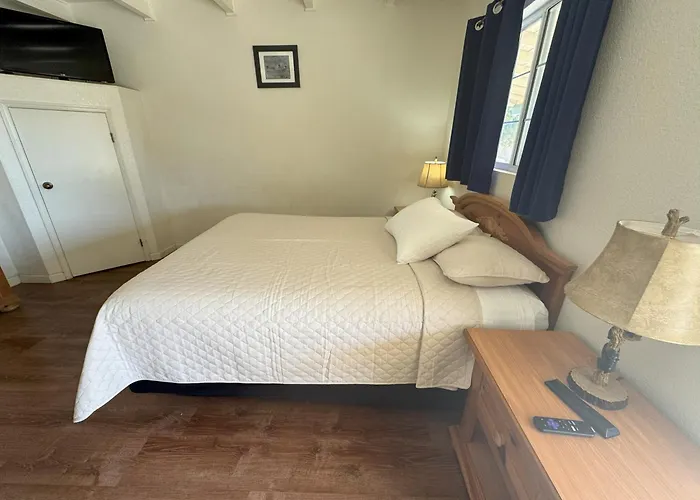
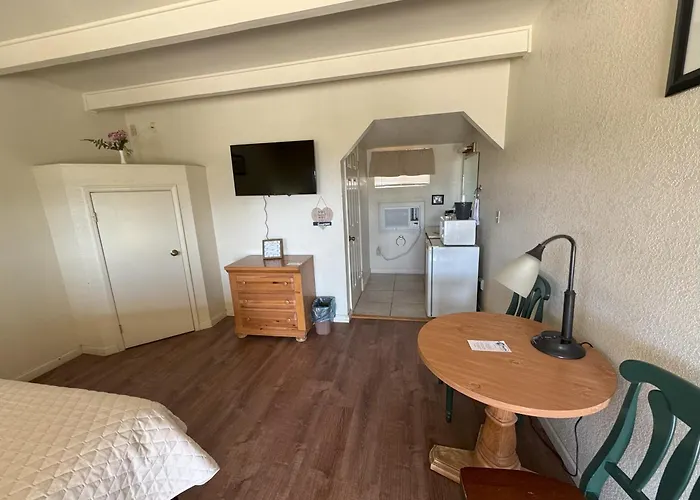
2. Barewood Inn & Suites
Show on map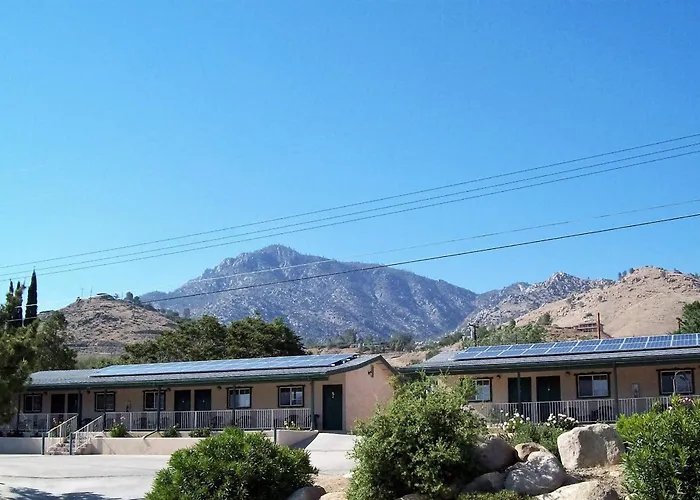
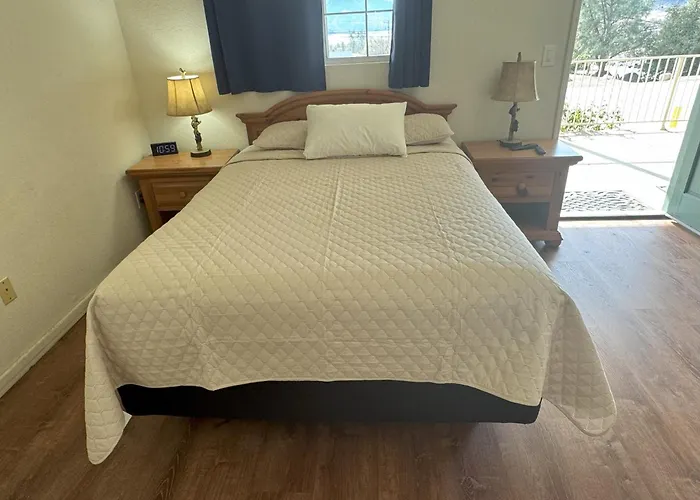
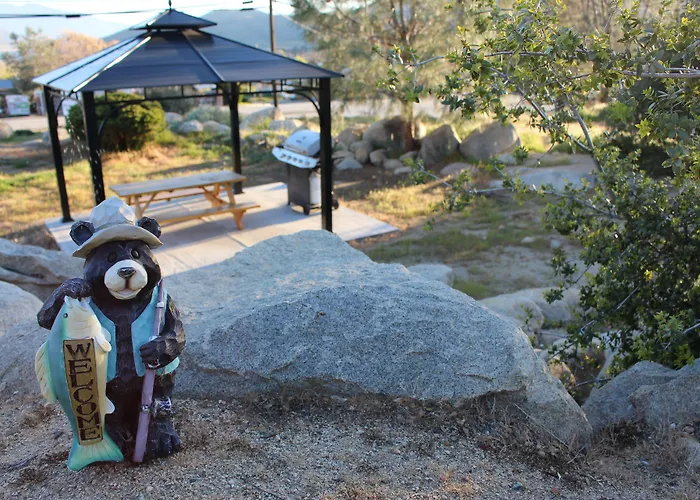 Check-infrom 15:00 until 21:00Check-outuntil 11:00
Just a few rooms left at the best rate!
fromUS$ 125
-
3. Americas Best Value Inn - Porterville
Show on map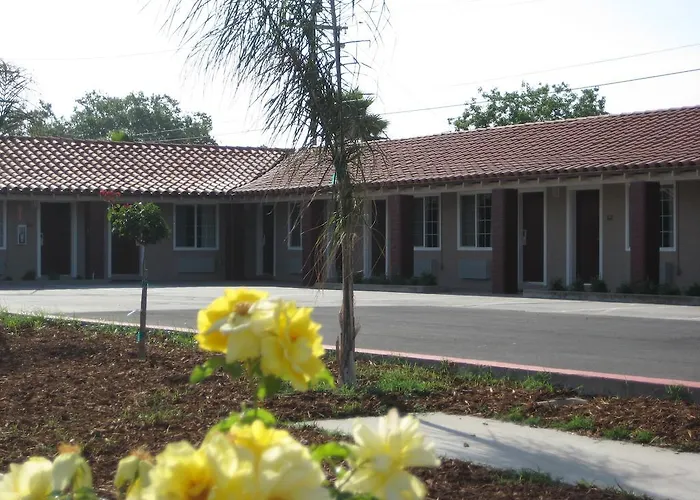
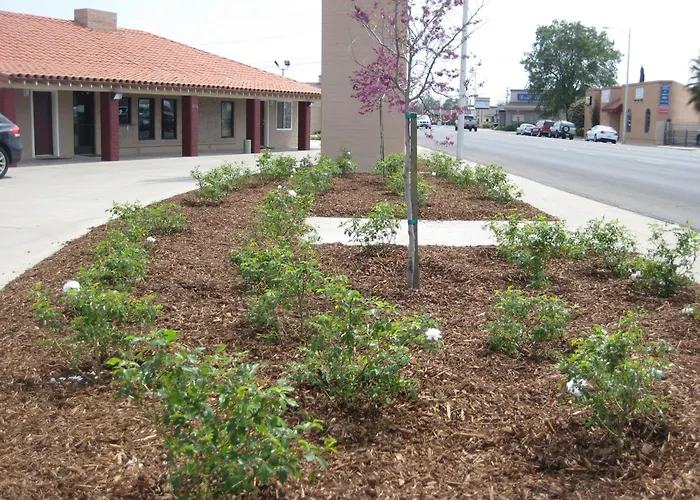
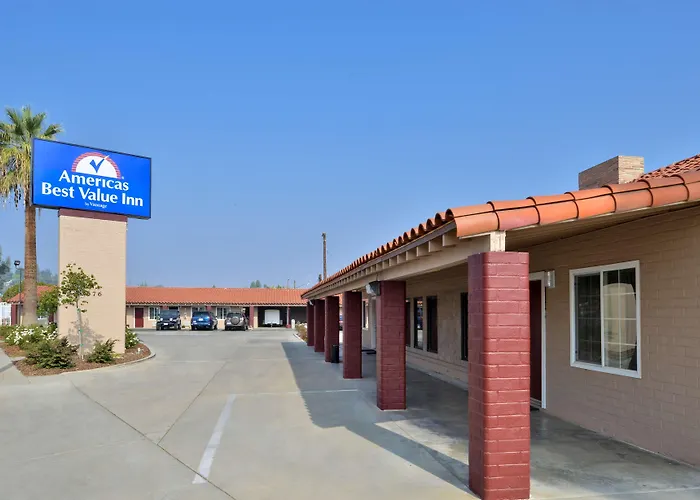
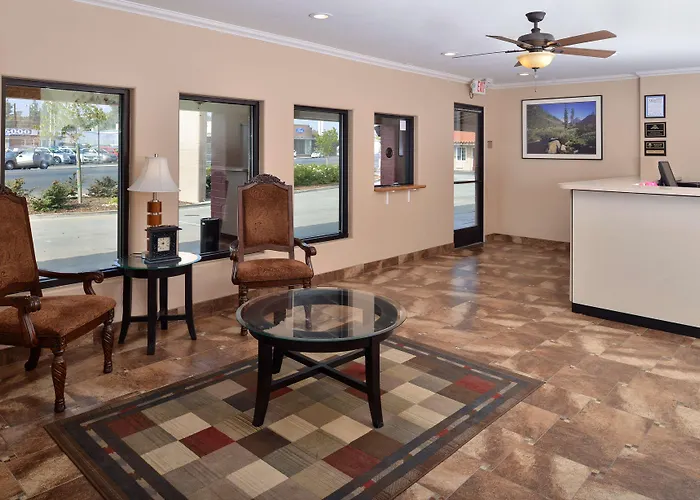
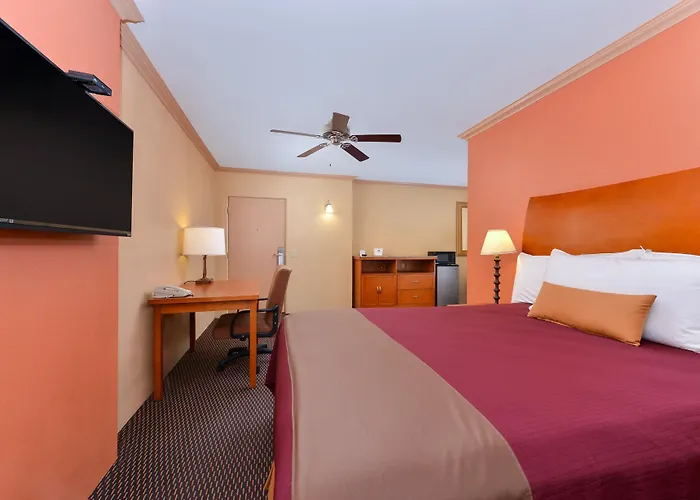 Check-infrom 15:00 until 23:59Check-outuntil 11:00
Hurry – almost gone at this price!
fromUS$ 63
Best Premium Option
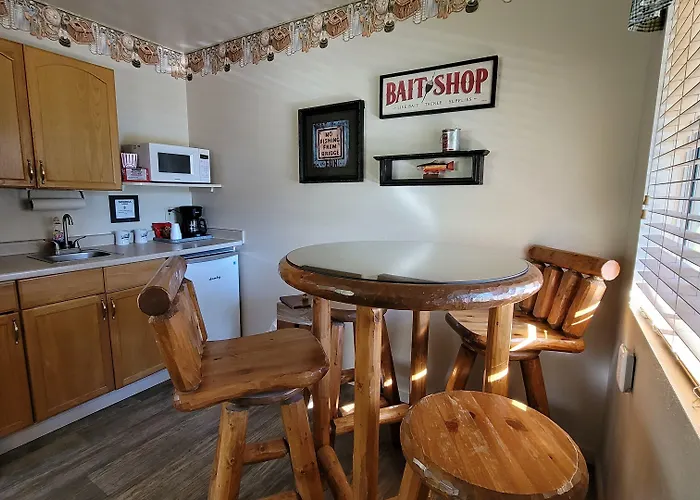
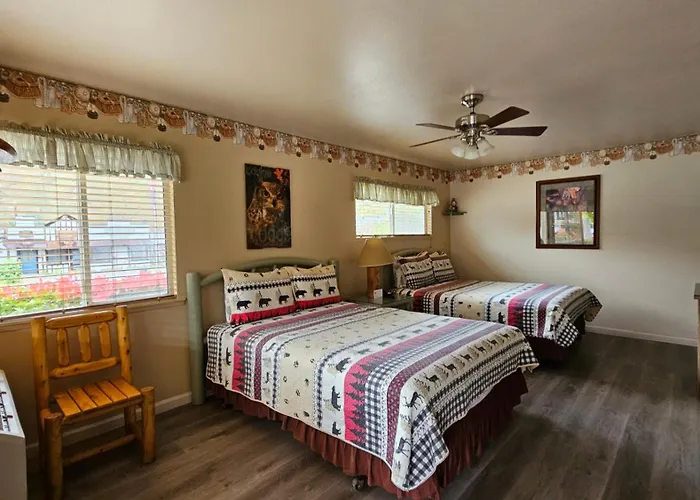
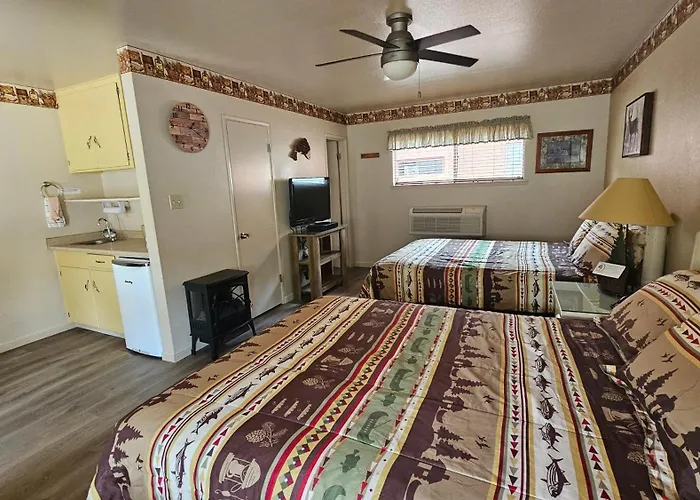
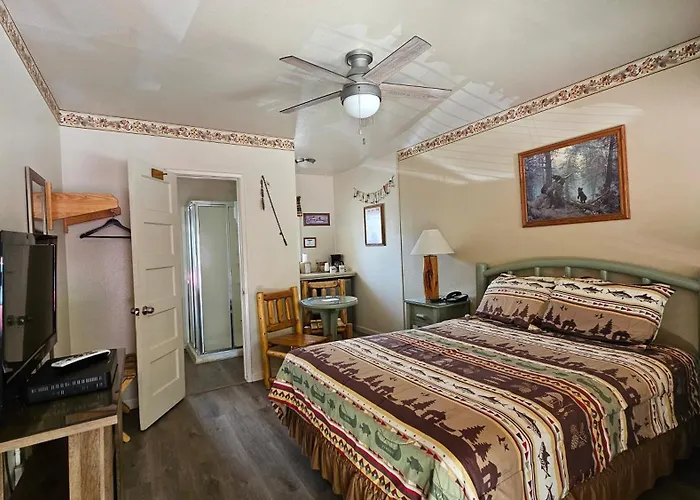
For guests who want more room amenities, kitchenette functionality, and a property with distinct Sierra Nevada character over a standard motel layout.
-
4. Sequoia Lodge
Show on map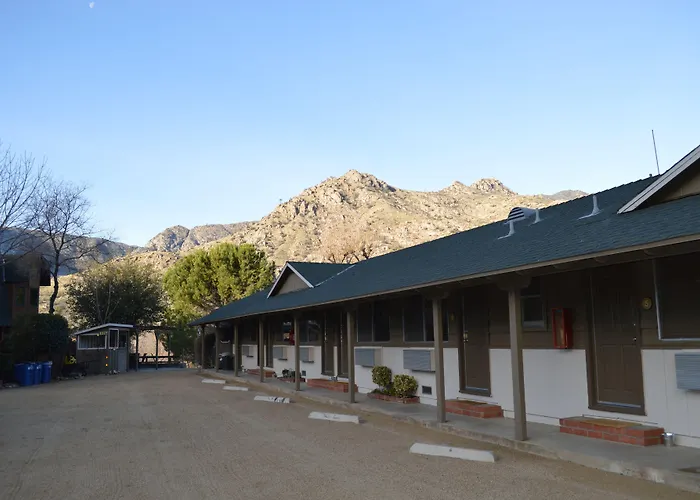
 Check-infrom 14:00 until 23:59Check-outuntil 11:00
Rooms filling fast – secure the best rate!
fromUS$ 114
Smart Travel & Timing Advice for Sequoia Gateway Hotels
July and August are the peak months for both Sequoia National Park and the Kern River corridor - park entry queues can form before 8 AM at the Ash Mountain Entrance, and gateway hotel availability tightens sharply from late June. Booking at least 6 weeks before a summer stay is a minimum; properties like Kern Riverfront Lodge and Barewood Inn fill quickly once school holidays begin. Spring visits in April and May offer blooming foothills, lower rates, and significantly reduced competition for trailhead parking at spots like Moro Rock and the General Sherman Tree.
Fall - specifically late September through October - represents the strongest value window: crowds in the park drop noticeably, temperatures become comfortable for long hikes, and last-minute rates at gateway properties are sometimes negotiable. A minimum stay of 3 nights makes logistical sense when combining park visits with Kern River activities, as driving times between sites mean single-night stays rarely allow full exploration. Winter access to Giant Forest is possible with chains or an AWD vehicle, but gateway town services reduce significantly between December and February.